Small Closet Organization: 7 Easy Budget Ideas That Work
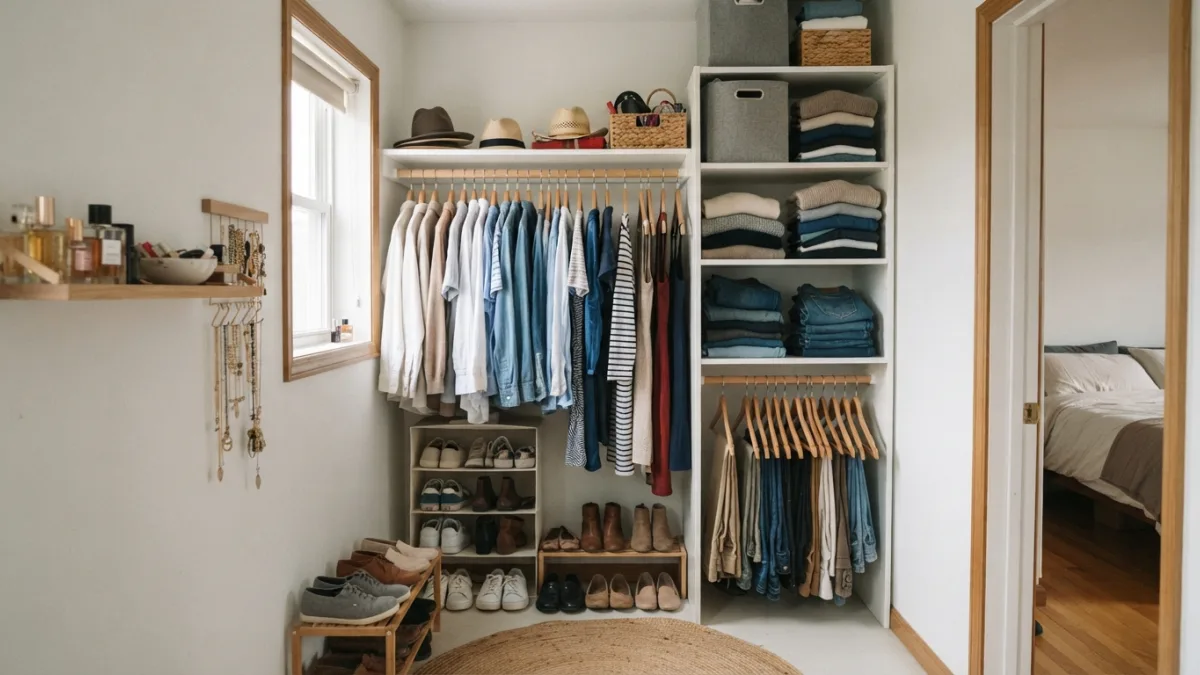
A cluttered closet can make even the most stylish wardrobe feel like a daily headache. If you open the door and immediately dodge a falling shoebox or dig through a pile of tangled hangers just to find one sweater, you’re not alone. Fortunately, small closet organization doesn’t require a renovation budget or custom built-ins. With a little creativity and a few inexpensive tools, you can turn a chaotic closet into a functional, calm space that actually works for your daily routine. This guide walks through seven practical, budget-friendly ideas anyone can use, no matter how tight the space or how tight the wallet.
Why Small Closet Organization Matters
A disorganized closet isn’t just an eyesore. It wastes time every single morning and often leads to buying duplicate items because you can’t find what you already own. Research on clutter and mental well-being suggests that messy, chaotic spaces can contribute to feelings of stress and overwhelm, which is why organizations like the American Psychological Association highlight the connection between physical environment and mental clarity. A well-organized closet, even a small one, gives you a visual system that saves time, reduces decision fatigue, and helps you actually see and use the clothes you own. The goal isn’t perfection. It’s function, and function is achievable on almost any budget. If you want to dig deeper, our guide on Small Bathroom Storage Ideas: 7 Practical Tips (No Cabinets) covers this in more detail.
7 Easy Budget Ideas for Small Closet Organization
1. Start With a Full Closet Clean-Out
Before you spend a single dollar on bins or organizers, empty the closet completely. This step feels tedious, but it’s the foundation of every successful small closet organization project. Take everything out, sort items into categories like keep, donate, and toss, and be honest about what you actually wear. Most people use only a fraction of their wardrobe regularly, so this is where real space gets created. Once you know exactly what needs to fit back in, you can plan storage that matches your actual needs instead of guessing. This single step often solves half the space problem before you buy anything at all.
2. Use Tension Rods to Double Your Hanging Space
Tension rods are one of the cheapest closet organizing hacks around, and they work wonders in tight spaces. Install one horizontally near the top of the closet to create a second hanging tier for shorter items like blouses, folded pants, or scarves. You can also mount one vertically in a corner to hang bags, belts, or spray bottles using small hooks. Because tension rods require no drilling or hardware, they’re perfect for renters and anyone who wants a flexible, damage-free solution. A pair usually costs just a few dollars, making this one of the most affordable closet ideas for instantly expanding storage capacity.
3. Add Adjustable Shelf Dividers
If your closet has shelving but items constantly slump into messy piles, dividers can fix that in minutes. Inexpensive plastic or wire dividers slide onto existing shelves and create defined sections for sweaters, jeans, or stacked accessories. This prevents the domino effect where one shirt falls and takes the whole pile down with it. Shelf dividers are especially useful in small closets where every shelf has to multitask, holding shoes on one side and folded clothes on the other. Because they’re adjustable, you can resize sections as your wardrobe changes with the seasons, which makes this a long-term budget closet storage solution rather than a one-time fix.
4. Repurpose Household Items as DIY Closet Organizers
Some of the best DIY closet organizers are items you already own. Shoeboxes become drawer dividers, mason jars hold small accessories like jewelry or hair ties, and old curtain rings clipped to a hanger create instant scarf or belt storage. Cereal boxes cut in half and covered in fabric or paint make surprisingly sturdy bins for folded items or clutches. This approach costs almost nothing and reduces waste by giving new purpose to things that would otherwise be thrown away. It also lets you customize storage to fit oddly shaped items that standard containers never quite handle, which is common in small, irregularly shaped closets. This connects closely with another common issue — see 15 Storage Ideas for Small Apartments for more on that.
5. Install an Over-the-Door Organizer
The back of your closet door is often completely wasted space, and an over-the-door organizer can fix that instantly. These come in fabric, wire, or clear plastic pocket versions and typically cost less than a dinner out. They’re ideal for shoes, folded accessories, cleaning supplies, or even small purses that would otherwise take up shelf space. Because they hang on the door itself, they require no tools and no permanent changes, making them one of the easiest small space storage solutions for renters. For closets with limited floor and shelf space, this single addition can free up a surprising amount of usable room.
6. Use Clear Bins and Labels
Clear storage bins let you see contents at a glance instead of opening every container to search for one item. Pair them with simple labels, whether handwritten on masking tape or printed on a label maker, and you’ll cut down on the daily hunt for socks, accessories, or seasonal items. This system also makes it easier to maintain organization over time, since everything has an obvious home. Bins don’t need to match perfectly or come from a specialty store. Budget retailers and even secondhand shops often carry sturdy, inexpensive clear containers that work just as well as pricier versions, keeping your small closet organization project affordable from start to finish.
7. Maximize Vertical Space With Wall-Mounted Hooks
Most small closets have unused wall space above eye level or along the sides that rarely gets touched. Adding a few adhesive or screw-in hooks lets you hang bags, hats, robes, or even jewelry without taking up hanger space. This trick works particularly well in reach-in closets where floor space is limited but wall area goes unused. Hooks cost very little and install in seconds, and they can be repositioned as your needs change. Combined with vertical shelving or a hanging shoe organizer, this approach turns dead space into genuinely useful storage, which is often the difference between a cramped closet and one that finally feels manageable.
Additional Budget Closet Storage Tips
Beyond the seven ideas above, a few small habits can stretch your budget even further. Fold bulky sweaters instead of hanging them to save vertical space, and switch to slim, non-slip hangers, which take up far less room than bulky wooden or plastic ones. Consider these quick additions: You might also find our article on Vertical Storage Hacks: 7 Easy Ideas for Tiny Bedrooms helpful here.
- Use vacuum-sealed bags for off-season clothing to shrink bulky items.
- Hang a fabric shoe organizer for small accessories instead of just shoes.
- Store out-of-season items in bins on a closet shelf or under the bed.
- Group clothing by color or type so everything has a clear, findable spot.
None of these require a big investment, but together they make a noticeable difference in how usable and calm the closet feels.
Maintaining Your Small Closet Organization System
Setting up an organized closet is only half the job. Keeping it that way requires a quick, regular check-in, maybe five minutes every week, to put stray items back where they belong. Many professional organizers, including members of groups like the National Association of Productivity and Organizing Professionals, recommend doing a small seasonal review to reassess what’s being used and what’s just taking up space. This doesn’t need to be a big project. A quick pass every few months to remove items you haven’t worn keeps the system from sliding back into clutter. Consistency matters more than perfection, and small, regular efforts protect the work you put in initially.
Small closet organization doesn’t have to mean a big renovation or an expensive shopping trip. As detailed in general overviews of closet design and function on sites like Wikipedia’s closet entry, the concept itself is simple: a dedicated space for storage that works best when it’s thoughtfully arranged rather than just filled. With a clean-out, a few cheap tools like tension rods and shelf dividers, some repurposed household items, and consistent upkeep, almost any closet can go from chaotic to functional. The best part is that these budget-friendly changes are flexible. You can start with one idea this weekend and add more over time, building a system that fits your space, your habits, and your wallet without ever needing a major investment.
Frequently Asked Questions
What is the cheapest way to organize a small closet?
Start by decluttering completely, since this costs nothing and creates the most immediate space. After that, tension rods, repurposed household containers, and dollar-store bins offer some of the most affordable upgrades available. For a related walkthrough, check out Under-Bed Storage Ideas: 9 Easy Ways to Save Space.
How do I organize a small closet with no shelves?
Use an over-the-door organizer, hanging shelf units that attach to the closet rod, and wall-mounted hooks. These additions create storage without requiring any built-in shelving or major installation.
What are good DIY closet organizers for beginners?
Simple projects like fabric-covered shoeboxes, mason jars for small items, and repurposed curtain rings for scarves are beginner-friendly, low-cost options that require no special tools or skills.
How often should I reorganize my closet?
A seasonal review, roughly every three to four months, works well for most people. This keeps the system current and gives you a chance to remove items you no longer wear.
Can small closet organization really reduce stress?
Yes. A clear, organized space reduces the time spent searching for items and can lower the daily mental load that comes with visual clutter, making mornings feel noticeably calmer.

Ghani Mejber — Founder & Lead Editor
Ghani Mejber is the founder of DIY Homes Hub. After years of living in compact rentals with strict lease rules and limited storage, I started sharing practical, damage-free home upgrades and basic repair guides built for real budgets. Every project I publish focuses on simple tools, accessible materials, and reversible solutions that protect your security deposit.