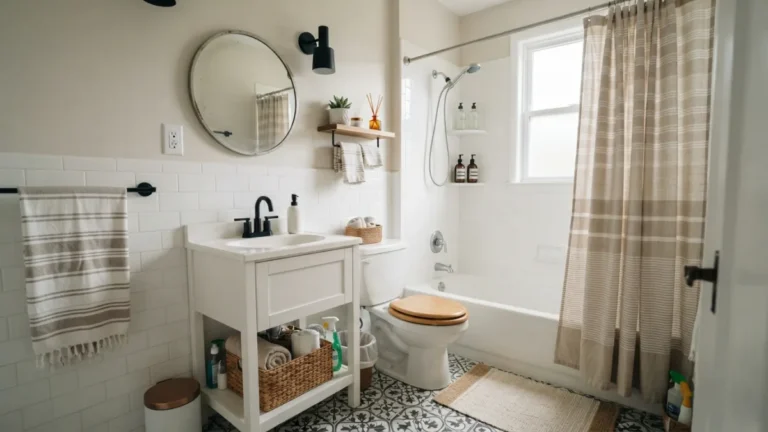
Small Entryway Makeover: 12 Easy Budget Ideas That Work
You open the door, drop your bag, kick off your shoes, and the pile starts. A small entryway makeover can stop that pile before it grows, and it doesn’t need a big budget or a contractor. Most tiny entries share the same problems: too little space, poor light, and no clear place for daily items. The fixes are usually simple, and many cost less than a takeout dinner.
This guide gives you 12 practical ideas, from paint and lighting to hooks and a handmade bench. Some take ten minutes. Others fill a weekend. You don’t need to do them all. Pick the three or four that solve your biggest daily annoyances, and the whole space will feel calmer, brighter, and bigger than its footprint suggests. If you want to dig deeper, our guide on Home Office Makeover: 7 Easy Budget Ideas for Small Spaces covers this in more detail.
How to plan a small entryway makeover before you spend a dollar
Start by watching how you actually use the space for a few days. Do you drop keys on a shelf, hang wet coats, or stack delivery boxes? Write down what piles up and what annoys you. That list tells you where your money should go.
Next, measure the width, depth, and wall height. Note where the door swings and where outlets and switches sit. Take a photo, too. Photos show clutter you’ve stopped noticing. Set a firm budget, even a small one, and decide what matters most: storage, looks, or light. A clear plan stops impulse buys and keeps the project cheap.
12 budget ideas for a small entryway makeover
1. Clear everything out first
Before you buy anything, empty the space. Take out shoes, coats, bags, mail, and every random item that wandered in. Sort it all into three piles: keep here, keep elsewhere, and get rid of.
This step is free, and it often delivers the biggest change. Seasonal coats can move to a bedroom closet. Old flyers go straight to recycling. Shoes you haven’t worn in a year can be donated. Once the floor and walls are bare, you can see what the space really needs. You’ll also avoid buying storage for things that shouldn’t live by the door at all.
2. Try new entryway paint colors
Paint is one of the cheapest ways to change a room, and a small entry needs only a little. Light, warm shades such as soft white, pale greige, or light sage tend to make tight spaces feel more open. If you want drama, a deep color on one wall can add depth, especially in a short hallway.
Not sure how colors work together? A basic overview of color theory can help you choose shades that match your floor and nearby rooms. Test a sample patch and check it morning and evening. Light changes everything.
3. Use smart entryway storage ideas
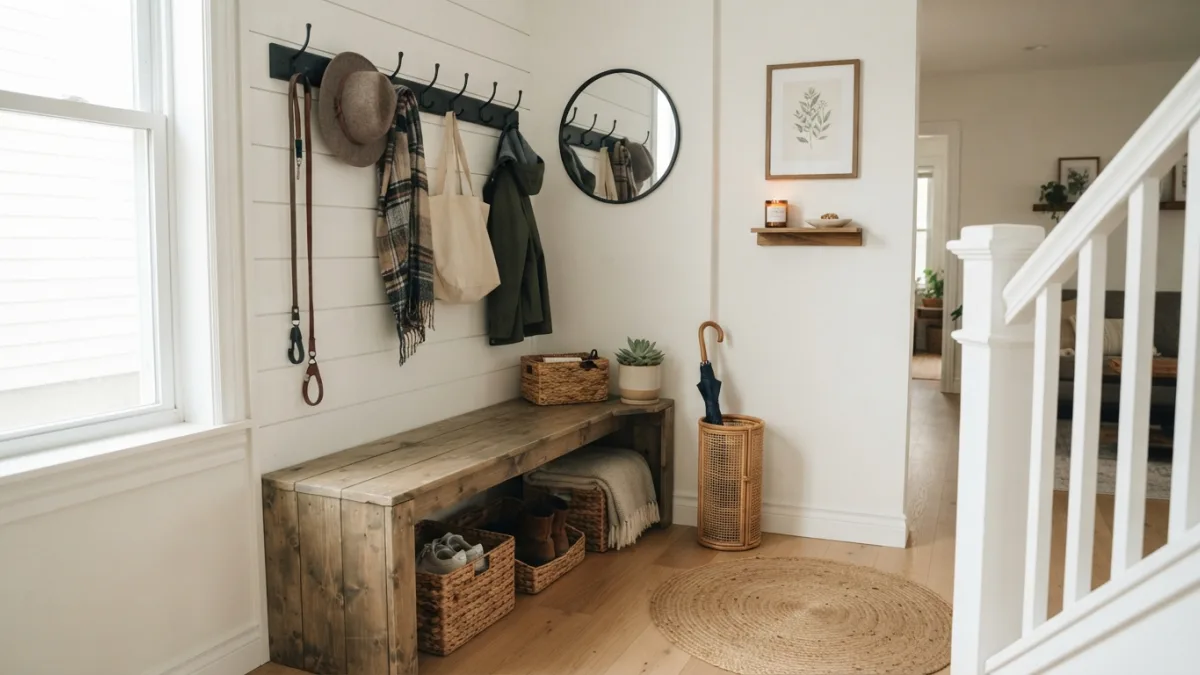
When floor space is tight, go vertical. A row of wall hooks, a slim shelf above them, and a small basket for hats and gloves can handle most of what a household drops at the door. Choose hooks at different heights so kids can reach their own.
Look for items that do two jobs. A narrow cabinet can hide clutter and give you a top surface for keys. A hanging rail can hold bags and jackets without eating floor area. Secondhand shops and online marketplaces often have solid pieces for little money. Always screw wall-mounted items into studs or use proper anchors so they hold real weight. This connects closely with another common issue — see Small Kitchen Makeover: 15 Easy No-Renovation Ideas for more on that.
4. Build a DIY entryway bench
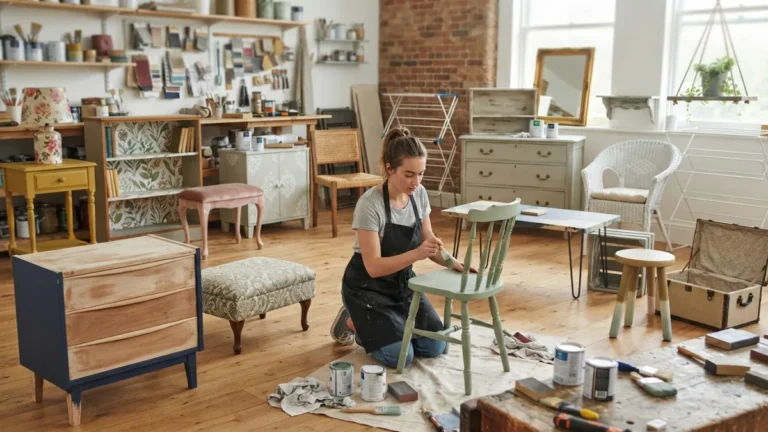
A bench gives you a place to sit while you put on shoes, and it can hide storage underneath. If you can use a saw and a drill, building one is a manageable weekend project. Simple plans use basic lumber, wood screws, and a coat of paint or stain.
Don’t want to build from scratch? Turn a sturdy old crate, a low bookshelf, or a thrifted bench into your seat. Add a cushion for comfort. Keep it shallow, since a narrow space can’t handle a bulky seat. Leave enough room that the door still opens fully and people can walk past.
5. Fix entryway shoe storage first
Shoes cause more entry chaos than almost anything else, so give your entryway shoe storage a real plan. A slim shoe rack, a low tray for wet boots, or a closed cabinet with tilted shelves can all work in tight spots.
Set a limit. Keep only the pairs you wear most in the entry, perhaps one per person plus a couple of seasonal ones. Store the rest in a closet or under a bed. A rubber boot tray from a hardware store is cheap and protects your floor. This habit is common in mudrooms, and it works just as well in a tiny hallway.
6. Choose a narrow entryway rug
A narrow entryway rug defines the space and traps dirt before it travels through your home. Measure your floor first. In a slim passage, a runner a few inches narrower than the width looks tidy and leaves a clean border.
Pick a durable, washable material, since this is the hardest-working rug in the house. Low-pile styles slide under the door more easily. Add a non-slip pad so nobody trips. Patterns and darker tones hide scuffs well, while a bold stripe can make a short hallway feel longer. Check clearance, too, because a rug that catches the door will annoy you every day.
7. Pick one of these entryway mirror ideas
Among all entryway mirror ideas, the simplest is also the best: hang a large one. A big mirror bounces light around and makes a cramped entry feel deeper. Place it across from a window or a lamp for the strongest effect.
On a budget, check thrift stores and yard sales for older frames. A coat of spray paint can make a dated frame look new. A tall leaning mirror adds a modern touch and needs no drilling, though you should secure it so it can’t tip. Skip tiny mirrors. In a small space, size makes the difference. You might also find our article on Budget Living Room Makeover: 7 Easy Ideas for a Rich Look helpful here.
8. Use entryway lighting ideas that cost little
Dark entries feel smaller, so good entryway lighting ideas can change the whole mood. Start by swapping an old bulb for a brighter, warm-toned LED. The U.S. Department of Energy explains the basics of choosing energy-saving lighting, which helps you pick bulbs that last.
If you can’t change the ceiling fixture, add a plug-in wall sconce or a small table lamp on a shelf. Battery-powered stick-on lights work well for renters. Layering a ceiling light with a softer lamp gives you bright light for busy mornings and a warm glow in the evening.
9. Borrow apartment entryway organization tricks
Renters have mastered apartment entryway organization because they have to. Use removable adhesive hooks, over-the-door racks, and tension rods so you never damage walls. A magnetic strip near the door can hold keys, and a small wall pocket can catch mail.
Assign each person a hook and a basket. When everyone has their own spot, things stay put. Check your lease before you drill anything, and use hardware you can take with you when you move. Good organization doesn’t need permanent changes. It needs habits and a few smart tools that fit the walls you already have.
10. Use the back of the door
The back of your front door is free real estate. An over-the-door organizer with pockets can hold scarves, sunglasses, dog leashes, and umbrellas. A set of hooks screwed or hung on top holds bags and coats.
Check that the door still closes smoothly after you add anything. Heavy loads can strain hinges, so keep the weight reasonable. A slim mirror on the door works, too, if wall space is gone. Think of this spot as a flat wall that happens to open. It’s a smart move when every inch of floor and wall is spoken for.
11. Create a landing spot for keys and mail
A small landing zone keeps essentials from drifting across the house. All you need is a shelf, a tray, and a bowl or hook. Keys, wallet, and sunglasses go in one spot, and mail goes in a small holder that you sort every day.
A narrow floating shelf works well here, and so does a thin console table if the walkway allows. Keep the surface mostly clear, with only a few items on top. A tray gives clutter a boundary, which makes the area feel neat even when it’s in use. Add a tiny notepad or whiteboard for reminders as you head out. For a related walkthrough, check out DIY Accent Wall Ideas: 12 Easy Budget-Friendly Designs.
12. Finish with greenery and personal touches
Once the practical work is done, add something that makes you smile. A small plant, a framed print, or a bright hook rail can give your entry personality. Choose plants that tolerate low light if your hallway is dim, or use a good faux one if you don’t want the upkeep.
Keep decor simple. One or two pieces are enough in a tight area, and too many items bring the clutter back. Swapping dated switch plates or adding a house number can also lift the look for a few dollars. This final layer turns a tidy space into a welcoming one.
Make your small entryway makeover last
A good makeover only works if the habits stick. Spend two minutes each evening putting shoes back, sorting mail, and clearing the tray. Do a quick reset once a week, and give the space a deeper check each season, when coats and boots change.
You don’t have to finish everything at once. Begin with the idea that solves your loudest problem, then add more as time and money allow. A small entryway makeover works best when it grows with your daily routine. The space is tiny, but it sets the tone every time you come home and every time you leave.
Frequently asked questions
How much does a small entryway makeover cost?
It depends on what you change. Decluttering, rearranging, and adding hooks can cost very little. Paint, a rug, and a mirror raise the total, while a handmade bench or secondhand finds keep it low. Set a budget first and spend on your biggest problem.
What is the best color for a small entryway?
Light, warm shades usually work best because they reflect light and make the space feel open. Soft whites, pale grays, and gentle neutrals are safe picks. A deeper color can still look great if you have good lighting and want a cozy feel.
How can I add storage without losing floor space?
Use the walls and the back of the door. Hooks, floating shelves, and over-the-door organizers hold a lot while leaving the floor clear. Slim furniture, such as a narrow shoe cabinet, adds storage without crowding the walkway.
Can renters do a small entryway makeover?
Yes. Use removable hooks, plug-in lighting, leaning mirrors, rugs, and freestanding furniture. Check your lease before painting or drilling. Most of the biggest improvements, like decluttering and better organization, don’t touch the walls at all.
Where should I start if my entryway feels messy?
Start by clearing everything out and sorting what belongs there. Then add a place for shoes and a few hooks for coats and bags. Once the daily clutter has a home, you can move on to paint, lighting, and decor.

Ghani Mejber — Founder & Lead Editor
Ghani Mejber is the founder of DIY Homes Hub. After years of living in compact rentals with strict lease rules and limited storage, I started sharing practical, damage-free home upgrades and basic repair guides built for real budgets. Every project I publish focuses on simple tools, accessible materials, and reversible solutions that protect your security deposit.