Budget Living Room Makeover: 7 Easy Ideas for a Rich Look
Nobody wants their living room to look like a budget garage sale, but nobody wants to drain their savings account for a decorating refresh either. Fortunately, a budget living room makeover doesn’t require a big check or a professional designer to get that polished, high-end look. With a little patience, some smart shopping, and a handful of design tricks that interior stylists use all the time, you can transform a tired room into something that looks like it belongs in a magazine spread.
The secret isn’t spending more money. It’s spending it in the right places. A few strategic swaps, some elbow grease, and a bit of creativity go a lot further than people expect. Below are seven practical, budget-friendly ideas that can take your living room from “meh” to “wow” on a realistic budget. If you want to dig deeper, our guide on How to Refresh a Room for Under 0 covers this in more detail.
1. Repaint With Intention, Not Just Color
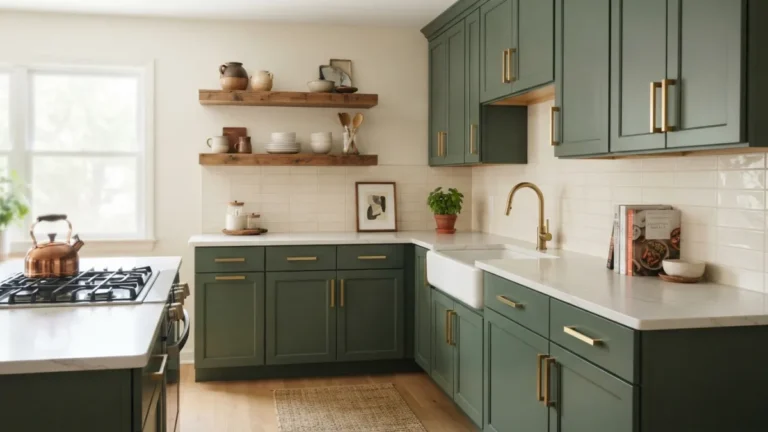
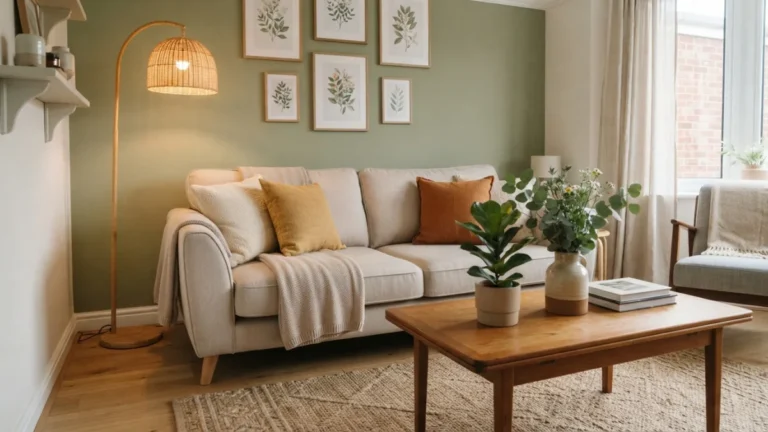
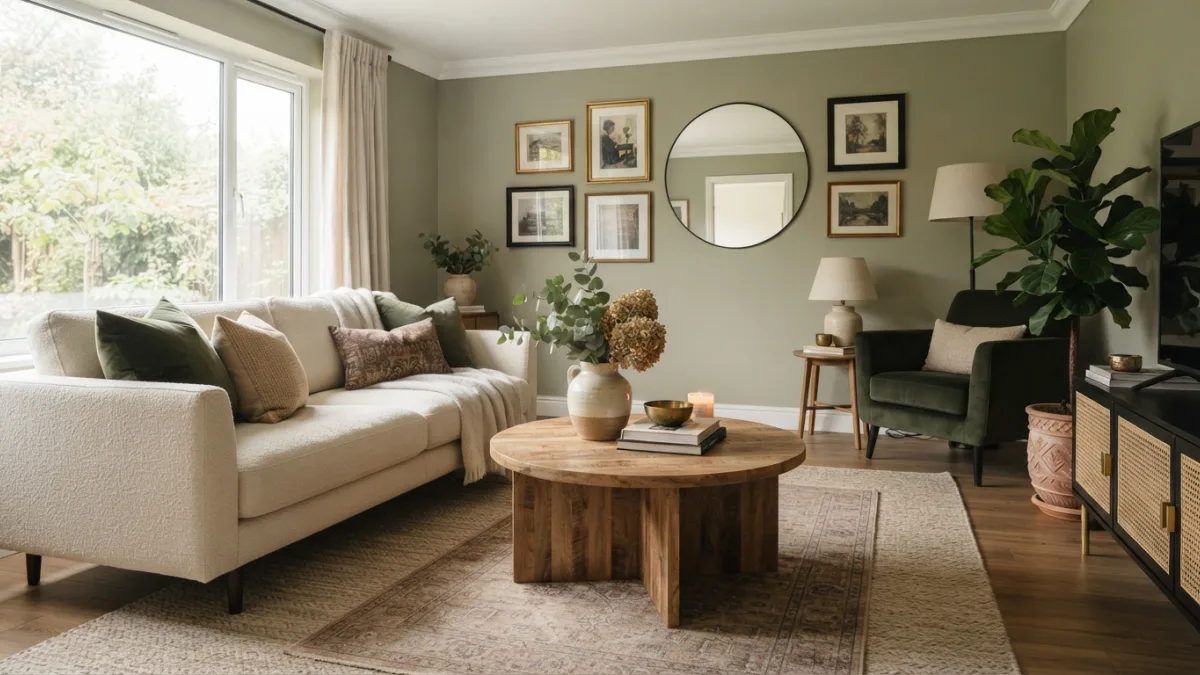
Paint is still the cheapest way to transform a room, but the trick to making it look expensive is choosing the right finish and color strategy, not just slapping on a new coat. Warm neutrals, soft greens, and deep, moody tones tend to read as sophisticated, while stark white can sometimes feel flat or unfinished. Consider painting your trim a shade darker or lighter than your walls to add dimension, or try an accent wall behind your sofa for a designer touch. Color choices actually affect mood and perception of space, which is part of why professional designers spend so much time on this step; you can learn more about how tones influence a room’s feel through resources like color psychology research. If air quality matters to you, look for low-VOC paint options, which the EPA explains in detail when it comes to indoor air quality.
2. Layer Textiles Like a Designer Would
One of the fastest ways to make a room feel luxurious is layering textures through pillows, throws, and rugs. A single large area rug anchors the space and instantly makes furniture look more intentional, even if the sofa itself is a decade old. Look for rugs in wool blends or textured weaves rather than flat, shiny synthetic ones, since texture reads as quality even at a distance. Mix in a few oversized floor pillows or a chunky knit throw draped over the arm of a chair. These small additions cost relatively little compared to furniture, yet they change the entire visual weight of the room. Thrift stores and secondhand shops are goldmines for this kind of cheap living room decor, since textiles are often barely used and priced to move quickly.
3. Shop Secondhand for Statement Pieces
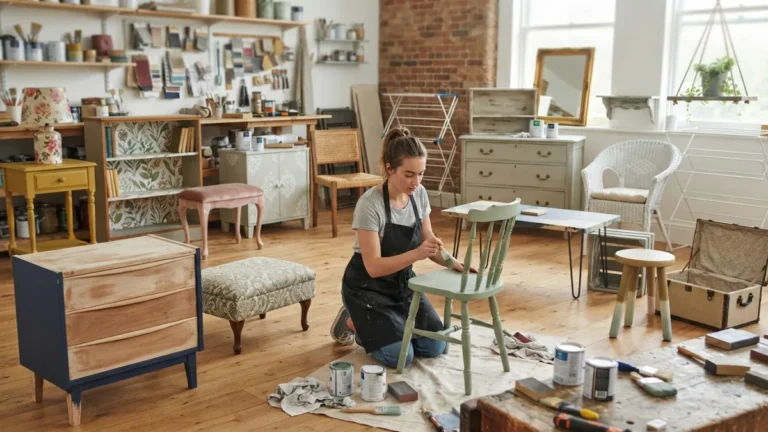
Thrifted home decor has quietly become one of the smartest ways to furnish a room without looking like you shopped on a shoestring. Estate sales, consignment shops, and online marketplaces are full of solid wood furniture, brass lamps, and framed art that would cost hundreds of dollars new. The key is training your eye to spot good bones underneath outdated finishes. A wobbly side table with a scratched top might just need new legs and a coat of paint or stain to become a centerpiece. Vintage brass, ceramic, and glass items in particular tend to photograph and display beautifully next to newer pieces, creating that collected-over-time look that expensive homes often have. This approach to upcycling old furniture also keeps usable items out of landfills, which is a nice bonus beyond just saving money. This connects closely with another common issue — see Under-Bed Storage Ideas: 9 Easy Ways to Save Space for more on that.
4. Upgrade Your Lighting Layers
Harsh overhead lighting is one of the biggest culprits behind a living room that feels cheap, no matter how nice the furniture is. High-end interiors almost always use multiple light sources at different heights: a floor lamp in one corner, a table lamp near the sofa, and maybe a small accent light behind a plant or on a shelf. Swapping in warm-toned LED bulbs instead of cool white ones instantly softens the mood and makes a room feel cozier and more curated. Dimmer switches are inexpensive to install and let you adjust the ambiance for different times of day. According to the U.S. Department of Energy’s guidance on LED lighting, these bulbs also use significantly less electricity than older incandescent options, so this upgrade pays for itself over time while making the space look far more polished.
5. Rearrange Before You Buy Anything New
Sometimes the most affordable interior design tip is the one that costs absolutely nothing: rearranging what you already own. Rooms often get set up once and never reconsidered, even when the layout doesn’t actually serve the space well. Try angling your sofa away from the wall, floating furniture toward a focal point like a fireplace or window, or grouping seating into a more conversational arrangement. Pulling furniture slightly off the walls, rather than pushing everything against them, tends to make a room feel more considered and less like a waiting room. Take a weekend afternoon to experiment with a few different layouts before committing to any new purchases. You might discover that your existing pieces just needed a better arrangement to shine, saving you money you can put toward accessories instead.
6. Frame Everything, Even Cheap Prints
Bare walls or mismatched frames are a fast way to make a room look unfinished, but this is one of the easiest problems to fix on a tight budget. Buy a set of matching frames in a single finish, whether that’s black, gold, or natural wood, and use them for everything from printed art to family photos to pressed botanicals. Consistency in framing tricks the eye into thinking a wall of eclectic pieces was carefully curated rather than thrown together. Free or cheap printable art is widely available online, and even a simple botanical print or abstract shape can look sophisticated once it’s properly matted and framed. Grouping three to five pieces in a gallery wall arrangement above the sofa also draws the eye upward, making ceilings feel taller and the whole room feel more substantial. You might also find our article on 15 Storage Ideas for Small Apartments helpful here.
7. Bring in Real (or Very Good Faux) Greenery
Plants are one of the simplest ways to add life and richness to a living room without spending much money at all. A few mid-sized plants in simple ceramic or woven pots can fill awkward corners and soften hard lines from furniture and walls. If you don’t have a green thumb, high-quality faux plants have improved dramatically and can pass for real from a normal viewing distance, especially larger varieties like fiddle leaf figs or olive trees. Mixing a couple of real, low-maintenance plants like snake plants or pothos with one or two faux statement pieces gives you the best of both worlds. This kind of diy living room decor detail is often what separates a plain room from one that feels alive, layered, and genuinely put together.
Comparing Budget-Friendly Upgrade Options
Not every idea fits every budget or timeline, so it helps to compare a few options side by side before deciding where to focus your energy and money first.
| Upgrade | Typical Cost Range | Effort Level | Visual Impact |
|---|---|---|---|
| Repainting walls | Low to Moderate | Moderate | High |
| Thrifted furniture and decor | Low | Low to Moderate | High |
| New lighting and bulbs | Low | Low | Moderate to High |
| Rearranging furniture | Free | Low | Moderate |
| Framed art and gallery walls | Low | Low | Moderate |
Looking at the table, it’s clear that some of the highest-impact changes, like painting or thrifting statement pieces, also come with relatively low costs compared to buying everything new. Free options like rearranging furniture are worth trying first, since they cost nothing and might reveal what your room actually needs before you spend a cent. From there, you can prioritize based on what bothers you most about the current space, whether that’s dull walls, poor lighting, or a lack of personality. For a related walkthrough, check out Peel and Stick Backsplash: 5 Easy Before-and-After Tips.
Bringing It All Together
A living room doesn’t need a five-figure renovation budget to look like it belongs in a design magazine. Small, thoughtful changes, layered textiles, better lighting, secondhand treasures, and a fresh coat of paint, add up to something far more valuable than the sum of their individual price tags. The goal isn’t perfection; it’s intention. When every piece in a room feels chosen rather than just placed, the whole space reads as expensive, no matter what it actually cost. Start with one or two ideas from this list, live with the changes for a week, and then decide what to tackle next. A budget living room makeover is less about the size of your wallet and more about the sharpness of your eye.
Frequently Asked Questions
How much does a budget living room makeover typically cost?
It varies widely, but many people successfully refresh a living room for a few hundred dollars by focusing on paint, thrifted accessories, and lighting rather than buying new furniture.
What is the cheapest way to make a living room look expensive?
Repainting walls in a sophisticated neutral or moody tone, combined with layered textiles like rugs and throws, usually gives the biggest visual impact for the lowest cost.
Is thrifted furniture actually a good idea for a living room?
Yes, as long as you inspect pieces for structural quality. Solid wood and metal frames can often be refreshed with paint, new hardware, or reupholstering for a fraction of the cost of new furniture.
How can lighting change the look of a living room without spending much?
Swapping harsh overhead bulbs for warm-toned LEDs and adding a floor or table lamp creates a softer, more layered atmosphere that instantly feels more upscale.
Do I need to buy new furniture for a noticeable transformation?
Not necessarily. Rearranging existing pieces, adding textiles, and updating small details like frames and lighting can transform a room significantly before any furniture shopping is needed.

Ghani Mejber — Founder & Lead Editor
Ghani Mejber is the founder of DIY Homes Hub. After years of living in compact rentals with strict lease rules and limited storage, I started sharing practical, damage-free home upgrades and basic repair guides built for real budgets. Every project I publish focuses on simple tools, accessible materials, and reversible solutions that protect your security deposit.