No TV Living Room: 7 Best Ideas for Using the Space
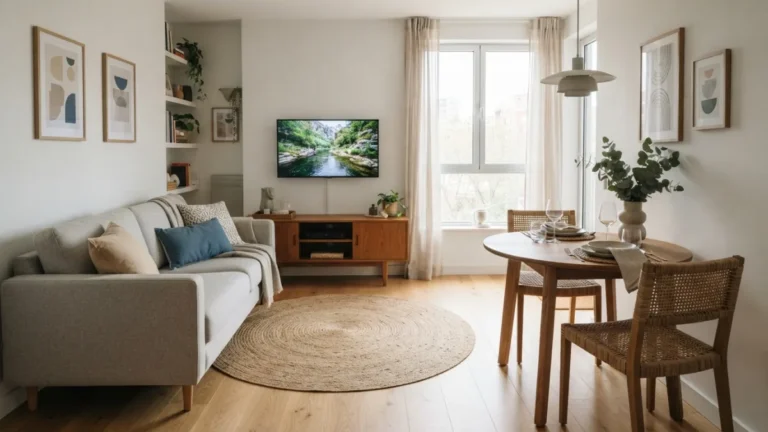
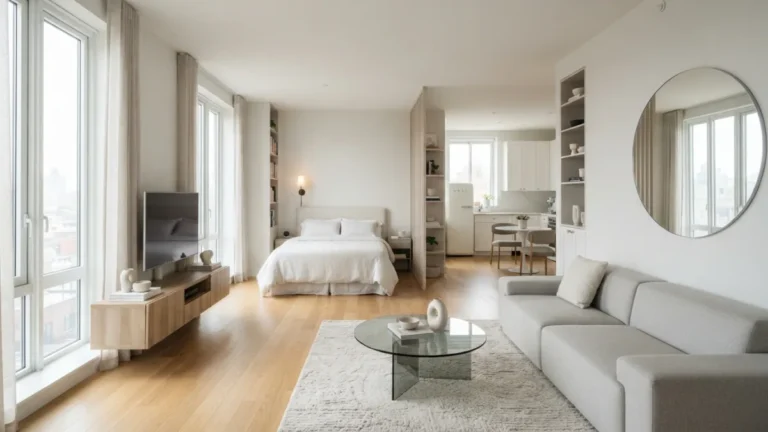
Picture this: you walk into your living room and there is no black screen waiting on the wall. A no TV living room can feel odd at first, especially if every sofa you’ve owned pointed at one. But give it a week. The room starts to breathe. Conversation gets easier, daylight looks better, and you suddenly have a big, flexible space to shape around your real life. Maybe you cut the cord to focus, to protect family time, or because you watch everything on a laptop anyway. Whatever your reason, the next question is the same: what goes there instead? Below you’ll find seven practical ideas, plus one lighting trick that works with all of them.
How to Plan a No TV Living Room
Before you move any furniture, spend a few days noticing what happens in the room. Do people talk, read, play with kids, or just pass through on the way to the kitchen? The best layout follows habits you already have, not a photo from a magazine. Write down the three activities you’d most like the room to support. Then measure the space, mark the doors and windows, and note where the outlets are. Pick one main idea from the list below and add a smaller second one if you have the room. Mixing two or three ideas often works better than committing to a single theme, and you can change things later without spending much. If you want to dig deeper, our guide on Small Living Room Layout: 7 Easy Ideas for TV & Dining Table covers this in more detail. This is a common part of dealing with no tv living room, and it is worth keeping in mind.
7 Best Ways to Use the Space Instead
1. Build a Conversation Seating Arrangement
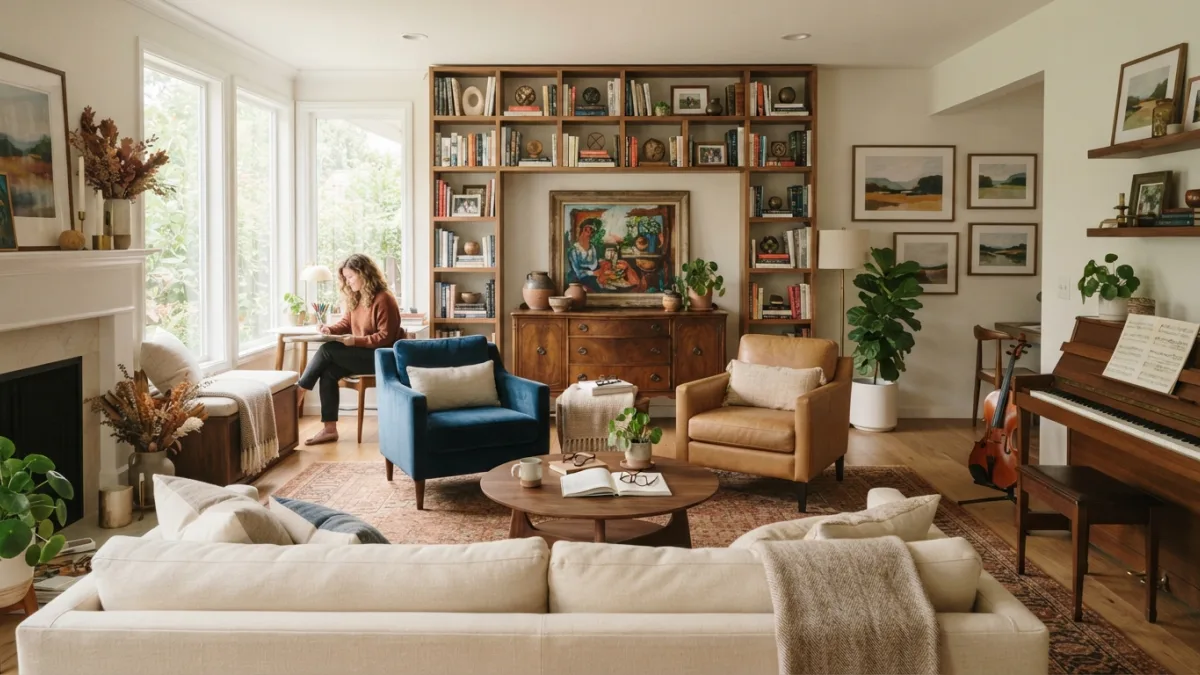
A good conversation seating arrangement starts with one simple move: turn the furniture to face each other instead of facing a wall. Try two sofas opposite each other, or one sofa with a pair of armchairs in a loose U shape. Keep seats close enough that people can talk without raising their voices, usually within a few feet. A round coffee table helps, because nobody bangs a knee on a sharp corner. Put a small side table within reach of every seat so drinks and phones have a home. Finally, anchor the group with a rug large enough for at least the front legs of each piece. The result feels social, welcoming, and much less like a waiting room. Many people run into this exact issue with no tv living room at some point.
2. Carve Out a Corner With Reading Nook Ideas
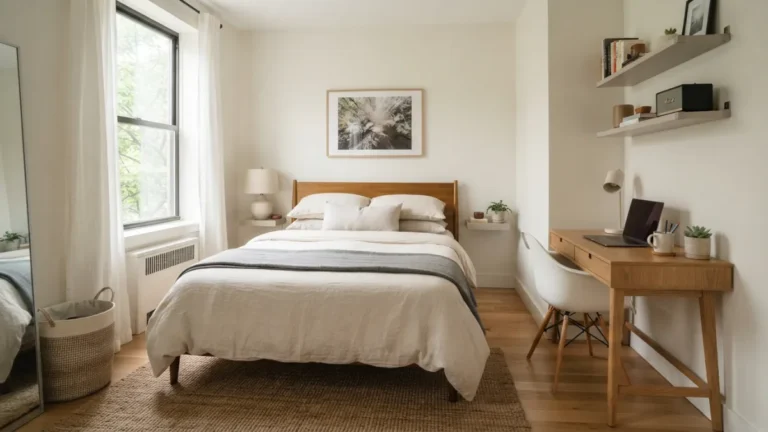
You don’t need a whole room to read well. Pick the corner with the best natural light, usually next to a window, and give it a single comfortable chair. A deep armchair, a chaise, or even a big floor cushion can work. Add a small table for your cup and a lamp you can point at the page. A soft throw and one or two pillows finish the job. If space is tight, a narrow wall shelf or a basket beside the chair keeps your current books close. The goal is simple: make it easy to sit down with a book and hard to be distracted. That small habit can change how the whole room feels. Keeping no tv living room in mind here will save you time later on.
3. Let a Fireplace Focal Point Anchor the Room
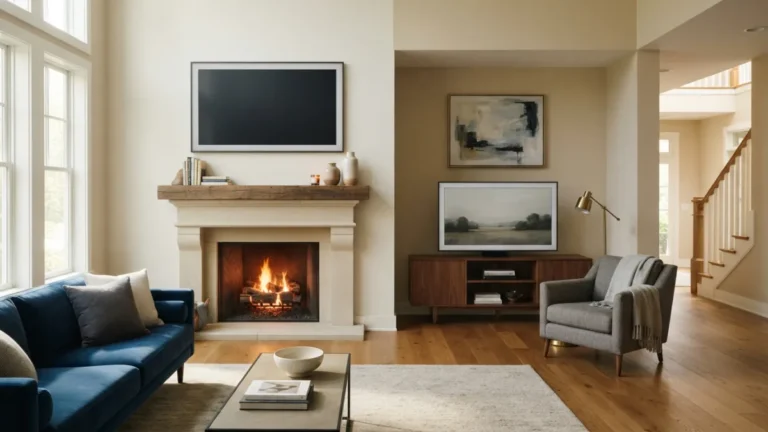
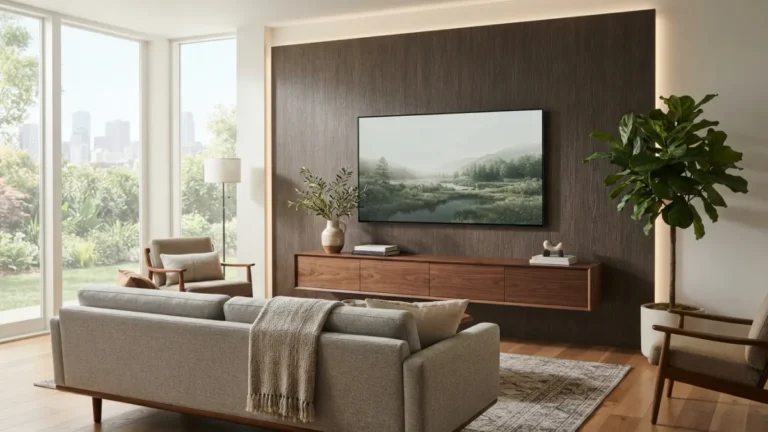
If your home has a fireplace, you already own the best replacement for a screen. A fireplace focal point gives the eye a natural place to rest, and it pulls the seating into a cozy circle. Style the mantel with a few items of different heights, such as a mirror, a vase, and a small stack of books. Keep decor tidy and away from the firebox. No fireplace? Create the same effect with a large piece of art, a wide mirror above a low console, or a painted accent wall. The trick is to choose one strong feature and arrange seating around it, so the room feels planned rather than empty. This connects closely with another common issue — see DIY Floating Shelves: 7 Easy Ideas for Any Room You Love for more on that. This detail matters more than it seems once no tv living room comes up again.
4. Hang Gallery Wall Ideas Where the Screen Used to Be
That big blank wall is a gift. Use gallery wall ideas to turn it into a display of photos, prints, kids’ drawings, and small objects you love. Start on the floor: lay out your frames, shuffle them until the spacing feels balanced, then trace each one on paper and tape the templates to the wall. This lets you adjust before you drill a single hole. Keep a consistent gap between frames, around two inches works for many people, and mix sizes for a relaxed look. Matching frame colors can calm a busy collection. The wall becomes a conversation starter, and guests will always find something to ask about. It is one of those small things that makes no tv living room easier to manage overall.
5. Add Home Library Shelves
Without a TV, a wall of books can take center stage. Home library shelves work in a no TV living room because they add warmth, color, and personality while storing things you actually use. Choose built-in units if you can, or line up a few sturdy bookcases of the same height for a custom look. Place heavier books on the lower shelves, and break up the rows with plants, small frames, or baskets so the wall doesn’t feel crowded. Tall units should be fixed to the wall with anti-tip hardware, especially in homes with children. A small ladder or step stool adds charm and makes the top shelves useful. This is a common part of dealing with no tv living room, and it is worth keeping in mind.
6. Plan for Family Game Night
Maybe the best reason to skip the screen is the time it gives back. Set up the room for family game night, and the evening almost plans itself. A low, sturdy coffee table or a round game table works well for cards and board games. Floor cushions and poufs add extra seats without clogging the room. Store games in a cabinet, a storage ottoman, or a basket by the sofa so everything stays close and easy to grab. If you have little space, a foldable table that slides behind a sofa does the job. Keep a small tray for snacks and pencils, and you’re ready in minutes. You might also find our article on Small Space Desk Ideas: 7 Best Fold-Away Picks for 2026 helpful here. Many people run into this exact issue with no tv living room at some point.
7. Squeeze In a Home Workout Corner
A free wall can become a small gym without ruining the look of the room. A home workout corner needs very little: a rolled mat, a set of resistance bands, a pair of dumbbells, and a basket to hide them. A wall mirror helps you check your form and makes the room feel larger. Hooks on the wall keep bands and jump ropes off the floor. For general guidance on how much movement adults need, see the World Health Organization’s physical activity fact sheet. In a no TV living room, you can also push the coffee table aside and have plenty of floor space for a quick session. Keeping no tv living room in mind here will save you time later on.
Finishing Touch: Cozy Lighting Ideas for Any Layout
Once the screen disappears, light sets the mood of the room. These cozy lighting ideas are cheap and work with every layout above. Swap harsh bulbs for warm white ones, and use several light sources instead of one ceiling fixture. A floor lamp beside the sofa, a table lamp on a shelf, and a small spotlight on your art create layers that feel soft and inviting. A dimmer switch lets you change the mood from bright and busy to calm in seconds. Candles and string lights add a gentle glow in the evening. This approach is close to the Danish idea of hygge, which is all about comfort and warmth. This detail matters more than it seems once no tv living room comes up again.
Start Small, Then Adjust
You don’t have to finish the whole room in one weekend. Pick one idea, move a chair, hang a few frames, or set up a reading corner, and live with it for a couple of weeks. Notice what you use and what you ignore. A no TV living room is not a rule about what you must do; it’s an invitation to design for the people who actually live there. Some families will want shelves and quiet, others will want games and noise. Both are fine. Keep the pieces flexible, stay open to changing your mind, and let the room grow with your habits. The empty wall may turn out to be your favorite feature. For a related walkthrough, check out TV Wall Placement Ideas: 7 Best Tips for Perfect Height. It is one of those small things that makes no tv living room easier to manage overall.
FAQ: No TV Living Room Questions
What can I put on the wall instead of a TV?
Good options include a framed art collection, a large mirror, a shelving unit, or a single oversized painting. Choose whatever suits your style and the amount of wall space you have. Painting the wall a deeper color can also make it feel intentional. This is a common part of dealing with no tv living room, and it is worth keeping in mind.
How do I arrange furniture without a TV?
Face the seats toward each other, or toward a feature like a window or fireplace. Keep walkways clear and use a rug to define the seating area. Leave a little space around each piece so the room doesn’t feel packed. Many people run into this exact issue with no tv living room at some point.
Is a living room without a TV a good idea for families?
Many families like it, because the room becomes a place for talking, playing, and reading. You can still keep a screen elsewhere in the house, such as a bedroom or den, if everyone wants one. Keeping no tv living room in mind here will save you time later on.
Where can I still watch shows if I remove the TV?
A laptop, tablet, or small projector can fill the gap. A projector with a pull-down screen is useful because you can put it away when you want the room to look clean and open. This detail matters more than it seems once no tv living room comes up again.
How do I make a no TV living room feel cozy and not empty?
Layer soft textiles such as rugs, throws, and cushions, then add warm lamps and a few plants. Group furniture into clear zones so the room feels purposeful, and fill the main wall with something you love.

Ghani Mejber — Founder & Lead Editor
Ghani Mejber is the founder of DIY Homes Hub. After years of living in compact rentals with strict lease rules and limited storage, I started sharing practical, damage-free home upgrades and basic repair guides built for real budgets. Every project I publish focuses on simple tools, accessible materials, and reversible solutions that protect your security deposit.