
Hide TV Wires in a Rental: 7 Easy Ways Without Cutting
Few things spoil a clean living room faster than a tangle of black cables hanging below the TV. The good news is that you can hide TV wires in a rental without cutting into drywall, drilling holes, or risking your security deposit. Most of the fixes take an afternoon, cost little, and come off when you move out. This guide covers seven renter-friendly methods, from slim wall covers to simple furniture tricks. It also shows you how to take everything down at the end of your lease. Pick one method, or mix a few to fit your room.
Check Your Lease and Plan the Cable Path First
Before you buy anything, read your lease for rules on adhesives, nails, and painting. Many landlords are fine with removable products, but a quick message in writing saves arguments later. Then plan the route. A clear plan helps you hide TV wires with fewer products and fewer mistakes. Stand where the TV sits and trace the path from the screen to the nearest outlet. Count how many cables you have and note how long each one is. Then walk through this short checklist: If you want to dig deeper, our guide on Rental Kitchen Cabinets: 7 Easy Ways to Cover Without Paint covers this in more detail. This is a common part of dealing with hide tv wires, and it is worth keeping in mind.
- Measure the distance from the TV to the outlet and to the floor.
- List every device: streaming box, game console, soundbar, router.
- Check the wall surface. Smooth, clean paint holds adhesive best, while textured or freshly painted walls often do not.
- Decide whether you want cables fully hidden or just neat.
7 Easy Ways to Hide TV Wires Without Cutting the Wall
Each option below works without tools that damage the wall. Some solve the whole problem alone, while others work best as a team. Many people run into this exact issue with hide tv wires at some point.
1. Use a Paintable Cord Cover on the Wall
A paintable cord cover is a slim plastic channel that sticks to the wall and holds your cables inside. Once you paint it the same color as the wall, it almost disappears. This is one of the cleanest ways to hide TV wires when the TV hangs on the wall or sits high on a stand. Wipe the wall first, cut the cover to length, and press the adhesive strip firmly in place. Run it in a straight vertical line from the TV down toward the outlet, because straight lines look neater than diagonal ones. Check the product label for paint advice and for the number and thickness of cables it can hold. Ask your landlord if painting the cover is allowed. Keeping hide tv wires in mind here will save you time later on.
2. Try a Cable Raceway for Renters
A cable raceway for renters works like a cord cover, but it is usually deeper and wider. That makes it a better pick when you have thick power cords or several cables to bundle. Raceways follow baseboards, door frames, ceiling lines, and inside corners, where they blend into the room’s existing lines. Many come with sticky backing, so you do not need screws. If you want a quick background on why tidy cabling matters for safety and looks, the Wikipedia page on cable management offers a helpful overview. For a longer run, choose a raceway in a color close to your wall or trim, and use corner pieces so the turns look finished. This detail matters more than it seems once hide tv wires comes up again.
3. Add Adhesive Cable Clips Along Edges and Trim
Adhesive cable clips are tiny holders that stick to a surface and keep a cord in place. They do not hide a cable completely, but they stop it from sagging and swinging. Put them on the back of the TV, along the edge of a console, or on a baseboard where the cable runs out of sight. Clean the surface with a dry cloth first, since dust ruins the grip. Press each clip for a few seconds and space them evenly. Do not hang heavy bundles from one clip. Clips pair well with a raceway or a furniture fix, because they handle the short, awkward stretches that bigger products cannot. This connects closely with another common issue — see Gallery Wall Without Nails: 7 Easy Steps for Renters for more on that. It is one of those small things that makes hide tv wires easier to manage overall.
4. Hide Cords Behind Furniture You Already Own
The cheapest trick is to hide cords behind furniture. A sofa table, bookshelf, sideboard, or tall plant can block the view of a cable line without any sticky products at all. Pull the piece a few inches away from the wall so cords can drop behind it without being crushed. Leave room around plugs and power strips so they can breathe. Curtains can also cover a short cable run beside a window. Never push a cord under a rug, though. People step on it, the cord can wear out, and heat has nowhere to go. If a cable must cross a walkway, use a flat floor cover instead. This is a common part of dealing with hide tv wires, and it is worth keeping in mind.
5. Improve Your TV Stand Cable Management
Good tv stand cable management starts with the cables themselves. Many stands have holes or gaps in the back panel, so thread each cable through and keep the loose ends out of view. Use reusable hook-and-loop ties instead of tight plastic zip ties, because they let you add or remove devices easily. Label each plug with a small tag so you know what is what. If cables are far too long, swap them for shorter ones that fit the distance, which cuts the mess at the source. Group power cords together and signal cables together, then guide both bundles down one back corner of the stand. Many people run into this exact issue with hide tv wires at some point.
6. Choose a No Drill TV Mount Setup
A no drill TV mount setup is for renters who cannot, or do not want to, put holes in the wall. Instead of hanging the TV, you use a floor-standing mount, a pole-style stand, or a TV bracket that attaches to a console or the TV’s own base. Many of these designs include a channel or clip system along the back for cables. That helps you hide TV wires without touching the wall at all. Always check the weight and screen-size limits from the maker. Skip any wall-sticking option that is not clearly rated for your TV’s weight, because a falling screen costs far more than a deposit. Keeping hide tv wires in mind here will save you time later on.
7. Gather the Leftovers in a Cable Management Box
A cable management box is a lidded container that holds a power strip and the extra length of your cords. It turns that messy floor pile into one neat block you can tuck beside the stand. Look for a box with vent openings or gaps for cords to enter and exit. Keep the power strip uncluttered and do not plug too many devices into it. For basic guidance on electrical safety at home, the U.S. Consumer Product Safety Commission is a reliable place to start. Check the box now and then to be sure nothing feels hot, and keep fabric, paper, and other loose items away from the plugs. You might also find our article on Hang Curtains Without Drilling: 7 Easy No-Damage Tips helpful here. This detail matters more than it seems once hide tv wires comes up again.
Quick Comparison: Which Option Fits Your Room?
This table shows how the seven ideas stack up. Use it to choose your starting point. It is one of those small things that makes hide tv wires easier to manage overall.
| Method | Best for | Effort | Contact with wall |
|---|---|---|---|
| Wall cord cover | Wall-mounted or high TVs with a straight drop | Medium | Adhesive strip |
| Raceway | Long runs along baseboards and corners | Medium | Adhesive strip |
| Sticky clips | Short runs and loose edges | Low | Small adhesive spots |
| Furniture cover-up | Quick, free improvement | Low | None |
| Stand cable fixes | Cables close to the TV and devices | Low | None |
| Floor-standing setup | Rooms where the wall stays untouched | Medium to high | None |
| Floor container | Power strips and extra cord length | Low | None |
How to Remove Adhesive Without Damage When You Move Out
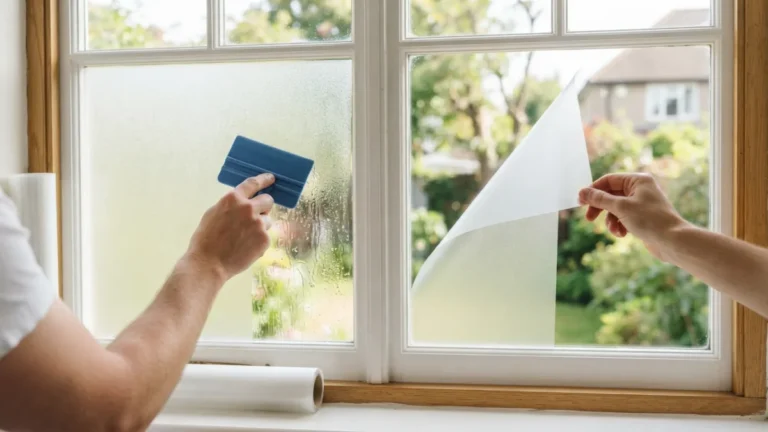
Taking everything down carefully is what protects your deposit. To remove adhesive without damage, warm the sticky area first with a hair dryer on a low setting for a short time. The heat softens the glue. Then peel slowly and keep the strip close to the wall, pulling it at a low angle rather than straight out. For a stubborn cover, slide dental floss behind it to cut through the foam. If residue stays behind, dab it with a cloth and a little mild soap and water, or follow the maker’s advice for stronger cleaners. Test any cleaner in a hidden spot first, since some paint finishes are delicate. Go slowly, and the wall should look as it did on day one. This is a common part of dealing with hide tv wires, and it is worth keeping in mind.
Put It All Together for a Clean, Landlord-Friendly Look
You do not need to pick just one fix. A smart combination often looks best: run a painted cover down the wall, use clips behind the TV, gather the power strip in a box, and slide a plant or shelf in front of what is left. That way, you hide TV wires in layers, and each product handles the job it does best. Start with your lease, plan the route, and buy only what the plan calls for. Most of these products are easy to reverse, so you can change your mind later without stress. Your room looks calmer today, and your deposit stays safe tomorrow. Many people run into this exact issue with hide tv wires at some point.
FAQ: Hiding TV Wires in a Rental
Can I hide TV wires without damaging the wall?
Yes. Use adhesive covers and clips on clean, smooth paint, or skip the wall completely with furniture, stand fixes, and a floor container. Remove sticky products slowly with gentle heat when you leave. For a related walkthrough, check out Cover Ugly Rental Floors: 7 Easy Damage-Free Ideas. Keeping hide tv wires in mind here will save you time later on.
Do I need my landlord’s permission?
Check your lease first. Many landlords accept removable products, but rules on adhesives and painting vary. Asking in writing is a simple way to avoid disputes later. This detail matters more than it seems once hide tv wires comes up again.
Is it safe to put power cords inside a cord cover?
Many covers are made for power cords, but check the label for limits. Do not coil extra cord tightly inside a cover, and stop using any cord that feels hot or looks damaged. It is one of those small things that makes hide tv wires easier to manage overall.
What is the cheapest way to hide cables behind a TV?
Moving furniture and using reusable ties costs almost nothing. Add a few clips if you still see loose cords.
What if my TV is already mounted and the outlet is far away?
A wall cover or raceway can carry the cables from the screen to the floor. Then use a floor container or furniture to deal with the rest of the run to the outlet.

Ghani Mejber — Founder & Lead Editor
Ghani Mejber is the founder of DIY Homes Hub. After years of living in compact rentals with strict lease rules and limited storage, I started sharing practical, damage-free home upgrades and basic repair guides built for real budgets. Every project I publish focuses on simple tools, accessible materials, and reversible solutions that protect your security deposit.