Fix a Garbage Disposal: 7 Easy Steps for a Humming Unit
You flip the switch, and instead of a roar you hear a low, angry hum. Nothing spins. The good news is that you can often fix a garbage disposal in this state yourself, usually in under 30 minutes, with a flashlight, a hex key, and a little patience. Most of the time, something is wedged against the grinding plate and the motor can’t turn it. The motor is trying, but it is stuck. This guide walks you through seven simple steps, explains when the problem is bigger than a jam, and shows how to keep it from happening again.
What a Garbage Disposal Humming Noise Really Means
A garbage disposal humming noise tells you the unit has power. That is a good sign. Electricity reaches the motor, but the motor can’t rotate the flywheel and the grinding plate attached to it. In most homes, the cause is a hard object, a clump of fibrous food, or leftover waste that has packed tightly around the plate. Less often, the cause is worn bearings or a damaged motor. A silent unit with no hum at all points to a different problem, such as a tripped reset button, a dead outlet, or a wiring issue. Because a hum is a jam signal, the fixes below start simple and get more involved only if needed. If you want background on how these machines work, Wikipedia’s overview of the garbage disposal unit is a handy primer. If you want to dig deeper, our guide on Remove a Stripped Screw: 8 Easy Methods That Really Work covers this in more detail. This is a common part of dealing with fix a garbage disposal, and it is worth keeping in mind.
How to Fix a Garbage Disposal in 7 Steps
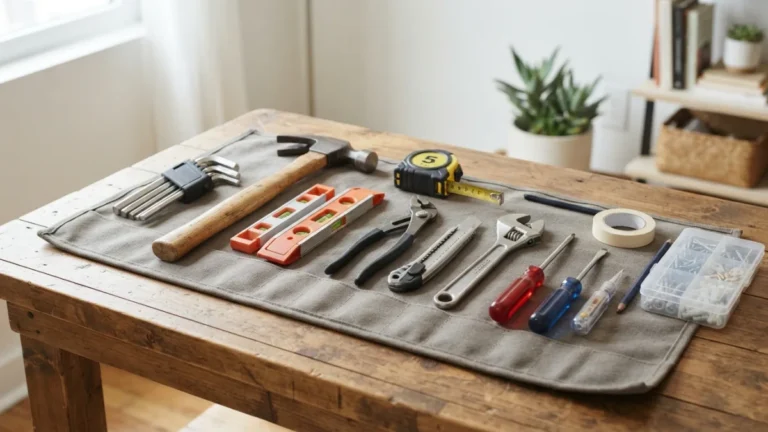
Before you start, gather a few basic tools: a flashlight, long-handled tongs or needle-nose pliers, a hex key (often called an Allen wrench) that fits your unit, and a wooden spoon or broom handle. Each step builds on the one before it, so follow them in order. Go slowly. Rushing is how people get hurt or push a jam deeper. Check your owner’s manual, or look up your model on the manufacturer’s site, such as InSinkErator, if anything below looks different on your unit. Many people run into this exact issue with fix a garbage disposal at some point.
Step 1: Cut the Power Completely
Safety comes first, and it is not optional. Turn the wall switch off, then unplug the disposal from the outlet under the sink. If the unit is hardwired and has no plug, switch off its circuit at the breaker panel instead. Do not trust the wall switch alone, because someone could flip it while your hand is inside. Even then, never put your fingers into the chamber. The blades in most disposals are small impellers, not sharp knives, but the motor can still crush bones and fingers. If you want to fix a garbage disposal without a trip to the emergency room, treat every step after this one as live equipment until the power is confirmed off. Keeping fix a garbage disposal in mind here will save you time later on.
Step 2: Look Inside and Remove the Jam by Hand
Your next job is to remove disposal jam culprits you can see. Shine a flashlight down the drain opening and look for bottle caps, fruit pits, bones, utensils, or a tight wad of peels. Reach in with tongs or pliers, never your hand, and pull out whatever you can grab. Sometimes the object sits just out of reach. Don’t force it. You will deal with stubborn blockages in the next steps. If you spot a metal spoon or glass shard, take extra care, since these can scratch the chamber or slip back down. Run your light around the whole opening before moving on, because jams often have more than one piece. This detail matters more than it seems once fix a garbage disposal comes up again.
Step 3: Try an Allen Wrench at the Bottom
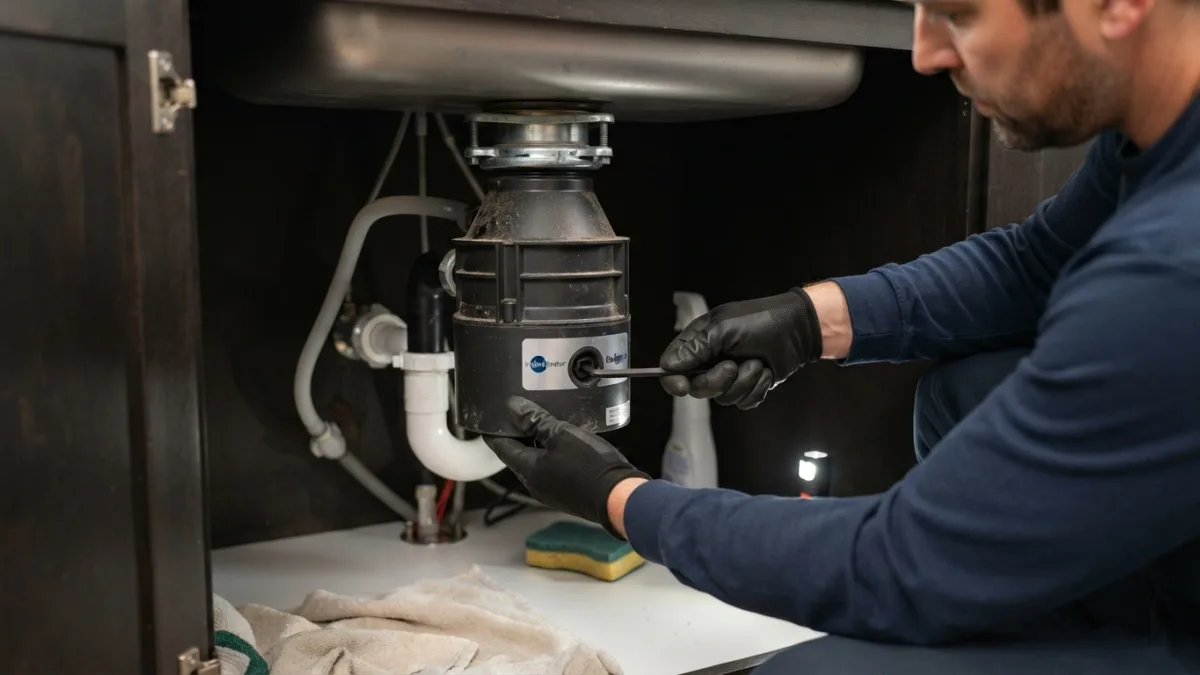
An allen wrench disposal fix is the classic move for a humming unit. Many models have a small hex socket in the center of the underside. Slide your hex key into it, then turn it back and forth. At first it may feel tight. Keep working, and you should feel the plate start to loosen and rotate freely in a full circle. That means the jam has broken up or shifted. Some brands do not include this socket, and sizes vary, so check your manual. Also, make sure the unit is still unplugged. Once the wrench turns smoothly, remove it and place it somewhere you won’t forget it. This connects closely with another common issue — see Tripped Circuit Breaker: 5 Easy and Safe Reset Steps for more on that. It is one of those small things that makes fix a garbage disposal easier to manage overall.
Step 4: Free the Flywheel From Above
If you can’t reach the bottom socket, or the wrench didn’t help, you may still have a disposal flywheel stuck behind a stubborn piece of waste. Take a wooden spoon handle or broom handle and push it down the drain until it touches one of the impellers. Press firmly against it, and rock it side to side, aiming to move the flywheel against the jam. Wood works well because it won’t damage the metal parts or leave marks on the chamber. Use steady pressure rather than sharp jabs. When the flywheel finally gives way, you will feel it turn. Pull out any loosened debris with your tongs. This is a common part of dealing with fix a garbage disposal, and it is worth keeping in mind.
Step 5: Press the Red Reset Button
Now find the reset disposal button, usually a small red button on the bottom or side of the unit. When a motor strains against a jam, a built-in overload protector trips to prevent overheating. That is why the button may be popped out. Wait a few minutes to let the motor cool, then push the button firmly until it clicks. If it does not stay in, wait longer and try again. A button that keeps tripping right away points to a deeper problem, which we cover below. Skip any urge to hold the button down or tape it, because this safety feature protects both you and the motor. Many people run into this exact issue with fix a garbage disposal at some point.
Step 6: Restore Power and Test With Cold Water
Plug the unit back in, or switch the breaker on, and turn on a strong flow of cold water. Then flip the wall switch for a few seconds. If the disposal spins and the hum is gone, you have managed to fix a garbage disposal without any parts. Let the water run for about 30 seconds afterward so the loosened debris flushes down the drain line. Cold water helps solid grease stay firm, so it travels through the pipe instead of smearing the walls. If you still hear humming, switch the power off and go back through Steps 2 to 5 once more before you conclude the repair has failed. Keeping fix a garbage disposal in mind here will save you time later on.
Step 7: Check for Leaks and Run a Quick Clean
Once the blades move, take one last look under the sink. Check the connections around the disposal and the drain pipe for drips, because jammed units sometimes loosen fittings. Dry spots mean you’re done. Then give the chamber a fast refresh by running cold water and dropping in a handful of ice cubes, followed by a few citrus peels if you like the scent. Ice knocks away residue clinging to the walls. Avoid pouring harsh chemical drain cleaners into the unit, since they can damage seals and make future repairs more dangerous. Wipe the area dry and put your tools away. You might also find our article on Fix an Interior Door That Won't Latch: 7 Easy Steps helpful here. This detail matters more than it seems once fix a garbage disposal comes up again.
When Humming Points to Disposal Motor Failure
Not every hum has a simple fix. A true disposal motor failure shows up when the unit hums even though the plate spins freely by hand, or when the reset button trips again and again within seconds. Other warning signs include a burning smell, grinding or screeching that does not stop, and water leaking from the base of the unit. Older disposals are more likely to wear out, since bearings and seals break down with years of use. If you see leaks from the housing itself, repair is rarely practical, because the seals sit inside the body. At that point, stop running the unit and plan for a professional visit or a replacement. It is one of those small things that makes fix a garbage disposal easier to manage overall.
Replace Garbage Disposal Cost: What to Expect
Many homeowners ask about the replace garbage disposal cost before they call anyone, and the honest answer is that it varies. Prices depend on the unit’s power, features, and brand, plus whether you hire a plumber or install it yourself. Labor rates and local plumbing conditions also play a role. A simple swap into existing plumbing costs less than a job that needs new wiring or a modified drain. Get at least two quotes, ask what is included, and compare them against the price of the unit alone. If your disposal is old and keeps failing, a new one may be a better value than another repair. If it’s only jammed, you can fix a garbage disposal for almost nothing. This is a common part of dealing with fix a garbage disposal, and it is worth keeping in mind.
How to Prevent Disposal Clogs and Jams
The easiest repair is the one you never need, and a few habits prevent disposal clogs better than any product. Run cold water before, during, and for about 15 seconds after you grind food. Feed scraps in small amounts rather than one big pile. Keep the following out of the drain: Many people run into this exact issue with fix a garbage disposal at some point.
- Bones, fruit pits, and corn husks
- Coffee grounds in large amounts
- Grease, oil, and fat
- Pasta, rice, and potato peels in bulk, since they swell and turn into paste
- Non-food items like bottle caps, twist ties, and produce stickers
For food scraps that don’t belong in the sink, try the trash or a compost bin. The U.S. Environmental Protection Agency’s guide to composting at home explains how to get started. For a related walkthrough, check out Recaulk a Bathtub With Mold: 7 Easy Steps for Beginners. Keeping fix a garbage disposal in mind here will save you time later on.
A Quick Wrap-Up Before You Call a Pro
A humming disposal feels like a big problem, but it’s usually a stuck plate and a tripped safety switch. Cut the power, clear what you can see, work the plate loose with a hex key or spoon handle, reset the unit, and test with cold water. If those steps don’t work, or you see leaks and smell burning, call a licensed plumber. Knowing how to fix a garbage disposal saves you money and a bit of kitchen stress, but knowing when to stop matters just as much. Keep your hex key somewhere handy, and you will be ready next time. This detail matters more than it seems once fix a garbage disposal comes up again.
Frequently Asked Questions
Why is my garbage disposal humming but not spinning?
Something is blocking the grinding plate, so the motor has power but can’t turn. A hard object or packed food waste is the most common cause. Less often, worn motor parts are to blame. It is one of those small things that makes fix a garbage disposal easier to manage overall.
Is it safe to put my hand in the disposal to clear a jam?
No. Even with the power off, use tongs or pliers instead of your fingers. Always unplug the unit or turn off its breaker first, so it can’t start unexpectedly. This is a common part of dealing with fix a garbage disposal, and it is worth keeping in mind.
Where is the reset button on a garbage disposal?
It is usually a small red button on the bottom of the unit. Press it firmly after the motor has cooled for a few minutes. If it won’t stay in, the motor may be overheating or failing. Many people run into this exact issue with fix a garbage disposal at some point.
Can I use chemical drain cleaner to fix a humming disposal?
It’s best not to. Chemical cleaners won’t free a stuck flywheel, and they can damage seals and create hazards for anyone who works on the unit later. Keeping fix a garbage disposal in mind here will save you time later on.
When should I replace my disposal instead of repairing it?
Consider replacing it if it leaks from the housing, trips the reset button constantly, or hums even though the plate spins freely. An old unit with repeated problems is also a good candidate. This detail matters more than it seems once fix a garbage disposal comes up again.

Ghani Mejber — Founder & Lead Editor
Ghani Mejber is the founder of DIY Homes Hub. After years of living in compact rentals with strict lease rules and limited storage, I started sharing practical, damage-free home upgrades and basic repair guides built for real budgets. Every project I publish focuses on simple tools, accessible materials, and reversible solutions that protect your security deposit.