Fix an Interior Door That Won’t Latch: 7 Easy Steps
You push the bedroom door shut, hear a dull thud, and watch it drift open again. Annoying, right? Fortunately, you can usually fix an interior door like this in under an hour with a screwdriver and a little patience. Most latch problems come from small causes, not serious damage, and you rarely need a carpenter. This guide walks you through the checks and repairs in the order that saves the most time, starting with the easiest. You don’t need special skills. Read the quick diagnosis first, then work through the steps until your door clicks shut the way it should.
Start by Finding the Real Problem
A door latch not catching is almost always a matching problem: the latch bolt and the hole in the door frame no longer line up. Your job is to find out which way they are off. Close the door slowly and watch the angled bolt. Does it hit the metal plate too high, too low, or against the edge? Look for shiny scratch marks on the plate, because they show where the bolt actually lands. Then check the gaps around the door. A wider gap at the top latch side often means the door has sagged. Also try the handle by itself: if the bolt moves slowly or sticks inside the door, the latch itself is the issue. If you want to dig deeper, our guide on Adjust Cabinet Hinges: 5 Easy Steps for Even Doors covers this in more detail.
Tools and Materials to Gather First
You can fix an interior door with a short list of basic tools, and most homes already have them. Collect everything before you start so you don’t leave the job half done. Here is what to have nearby:
- A screwdriver (Phillips and flat-head) or a drill with driver bits
- A pencil, plus chalk or painter’s tape for marking
- A small wood chisel and a metal file
- Longer wood screws, about 2½ to 3 inches
- A dry lubricant such as graphite powder or silicone spray
- A small level and a few thin wood shims
How to Fix an Interior Door in 7 Steps
Work through these steps in order. Test the door after each one, and stop as soon as it latches properly.
Step 1: Tighten Loose Door Hinges
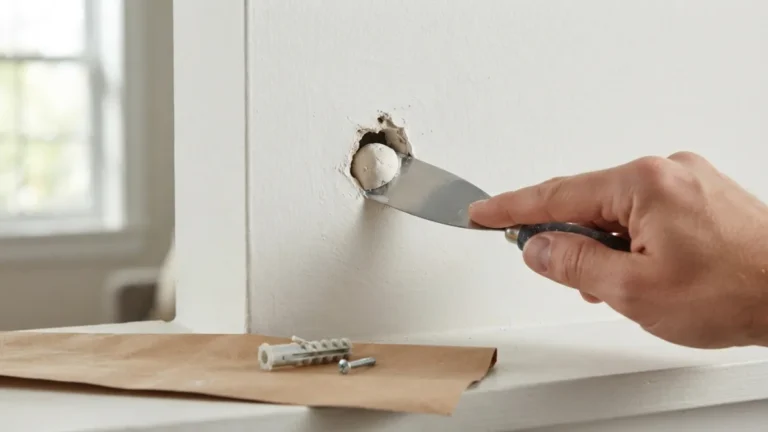
Loose hinges let the door drop slightly every time you use it, so start here. Open the door and grip the handle edge. Lift it gently and see if the hinge side wiggles. Then tighten every screw on each hinge leaf, both on the door and on the frame. To tighten loose door hinges that keep spinning, the screw holes are probably stripped. Remove the screw, dip a couple of wooden toothpicks or a matchstick in wood glue, push them into the hole, and snap them off flush. Let the glue set, then drive the screw back in. Close the door and check the latch again. Sometimes this single fix is enough. This connects closely with another common issue — see Squeaky Door or Cabinet: 5 Easy Fixes to Try Today for more on that.
Step 2: Try Sagging Door Repair With Longer Screws
If tight hinges didn’t help, the door may still hang low. Sagging door repair is simple: replace one or two screws in the top hinge with longer ones. Remove a short screw from the frame side of the top hinge and drive in a 2½- or 3-inch screw. It passes through the frame and bites into the solid wood behind it, so it pulls the door up and back toward the latch side. Don’t overtighten, or the hinge may bind. Close the door slowly and watch where the bolt meets the plate. Many sticking doors come back into line with this trick alone.
Step 3: Lubricate a Sticky Latch
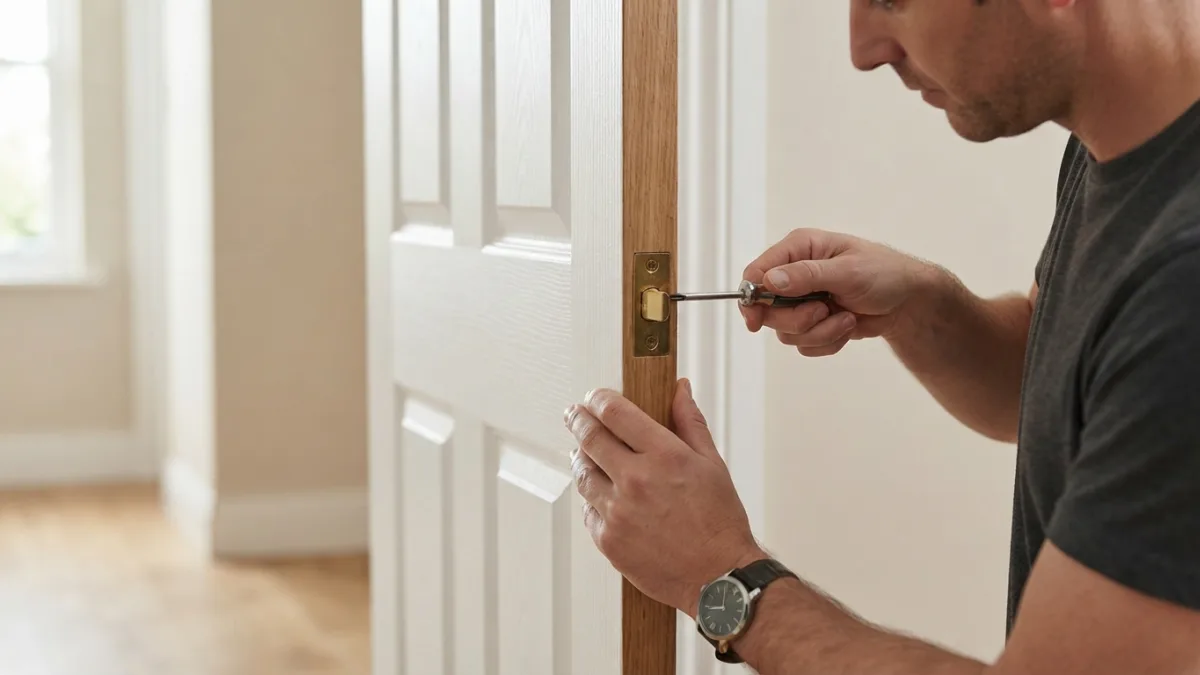
Sometimes the problem is inside the latch, not the door. To lubricate a sticky latch, first turn the handle and watch the bolt. It should snap back into place fast. If it moves slowly, spray a little silicone lubricant or puff some graphite powder into the bolt opening, then work the handle several times. Wipe away any extra. Skip heavy grease, because it collects dust and can make the problem worse over time. If the latch still feels rough after cleaning and lubricating, you may need a new one (see Step 7). If it moves smoothly, the cause is probably alignment, so keep going.
Step 4: Make a Strike Plate Adjustment
A strike plate adjustment fixes the most common cause of a door that won’t catch. Rub chalk or put a strip of tape on the end of the latch bolt, then close the door and turn the handle. The mark shows exactly where the bolt hits. Unscrew the strike plate and compare. If the bolt lands only a little above or below the opening, move the plate slightly in that direction. Hold it in place, mark the new screw spots, and drive the screws back in. If the plate will not fit the old holes, fill them with toothpicks and glue first so the new screws grip firmly. You might also find our article on Remove a Stripped Screw: 8 Easy Methods That Really Work helpful here.
Step 5: Enlarge the Strike Plate Hole
Maybe the bolt misses by just a few millimeters. In that case, you can enlarge the strike plate hole instead of moving everything. Remove the plate and look at the opening in the frame. Use a sharp chisel to carefully shave away a little wood on the side where the bolt is hitting, then check the depth too, because the bolt needs room to extend fully. You can also file the metal opening slightly. Work in tiny amounts and test often. Old paint can hide lead in older homes, so read the EPA’s lead guidance before you sand or scrape. Once the bolt slides in freely, refit the plate.
Step 6: Check for Door Frame Misalignment
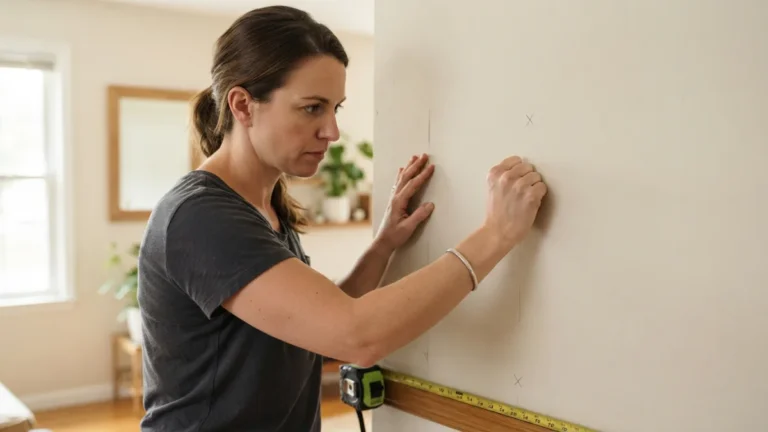
When the door still won’t line up, look at the frame itself. Door frame misalignment can happen when a house settles or when humidity makes wood swell and shrink. Hold a level against the vertical side of the frame and see if it leans. Then look at the gap between the door and frame: it should be even all around. If one side is tight and the other loose, the frame may be twisted. Small shifts can sometimes be corrected with shims behind the hinge leaves, which push the door in the right direction. Large problems may need a carpenter, but most home fixes only take a few thin shims and some patience.
Step 7: Replace the Door Latch
If nothing else works, replace the door latch. Latches wear out, and a weak spring or bent bolt can’t be repaired. Unscrew the handle, slide the old latch out of the edge of the door, and take it to the store as a sample. Check the backset, which is the distance from the door edge to the center of the handle hole. Common sizes are 2⅜ and 2¾ inches, so measure before buying. Slide the new latch in, fit the faceplate flat, and screw it on. Then reattach the handle and test it several times. A fresh latch often brings an old door back to life. For a related walkthrough, check out Fix a Running Toilet: 5 Easy Causes and Simple Repairs.
Final Thoughts on Fixing a Stubborn Door
Most people can fix an interior door without paying a professional. Start with the cheapest and quickest options, such as tightening screws, cleaning the latch, and checking the strike plate. Move on to chiseling, shimming, or replacing parts only if you need to. Take your time, test the door after each change, and avoid removing more wood than necessary, because you can always take more away but you can’t put it back. If the frame is badly twisted or the door has warped, a carpenter may be worth the call. For everyday problems, though, a quiet, solid click is just a few simple steps away.
Frequently Asked Questions
Why won’t my interior door latch even though the screws are tight?
Tight screws only prove the hinges are secure. The bolt and strike plate may still be slightly out of line, or the latch may be sticking inside. Mark the bolt with chalk to see where it lands, then adjust the plate or enlarge the opening.
Can I fix an interior door without removing it?
Yes. Nearly every repair here, including tightening hinges, adjusting the plate, and swapping the latch, can be done with the door still hanging. You only need to remove the door for major planing or sanding.
What lubricant works best for a sticky latch?
Graphite powder and silicone spray are good choices because they don’t attract much dust. Avoid thick grease. Apply only a small amount and wipe off the excess.
How do I know if I need a new latch?
Replace it if the bolt stays stuck after cleaning and lubrication, if the handle feels loose or gritty, or if the bolt doesn’t spring back. Bring the old latch to the store so you can match the size and backset.
When should I call a professional?
Call a carpenter if the frame is badly twisted, the door is warped, or there are cracks around the hinges. If you tried every step and still can’t fix an interior door that won’t latch, an expert can find the hidden cause quickly.

Ghani Mejber — Founder & Lead Editor
Ghani Mejber is the founder of DIY Homes Hub. After years of living in compact rentals with strict lease rules and limited storage, I started sharing practical, damage-free home upgrades and basic repair guides built for real budgets. Every project I publish focuses on simple tools, accessible materials, and reversible solutions that protect your security deposit.